Renuka was a devout wife of the Sage Jamadagni. He was one of the Saptarishis. The two of them were parents to five sons. Amongst the five, one was Parashurama, one of the incarnations of Vishnu.
Renuka was known for her chastity and strong devotion towards Sage Jamadagni. Her chastity was evidenced by the way she would carry water from the river each day on her head in an unbaked pot.
True to her name, Renu+ka—the one emerging out of fine dust or renu—she could conjure a pot from the earth or riverbanks, and without baking it, it would still retain the water collected.
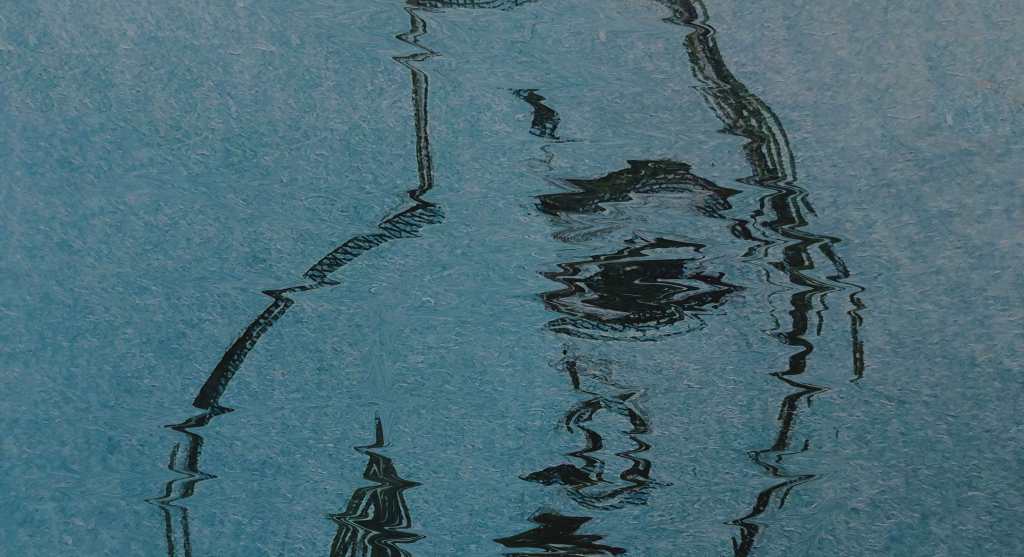
One day, while Renuka was gathering water from the river, she saw a Gandharva playing with his women in the water. Enamored by this sight, she returned home wet.
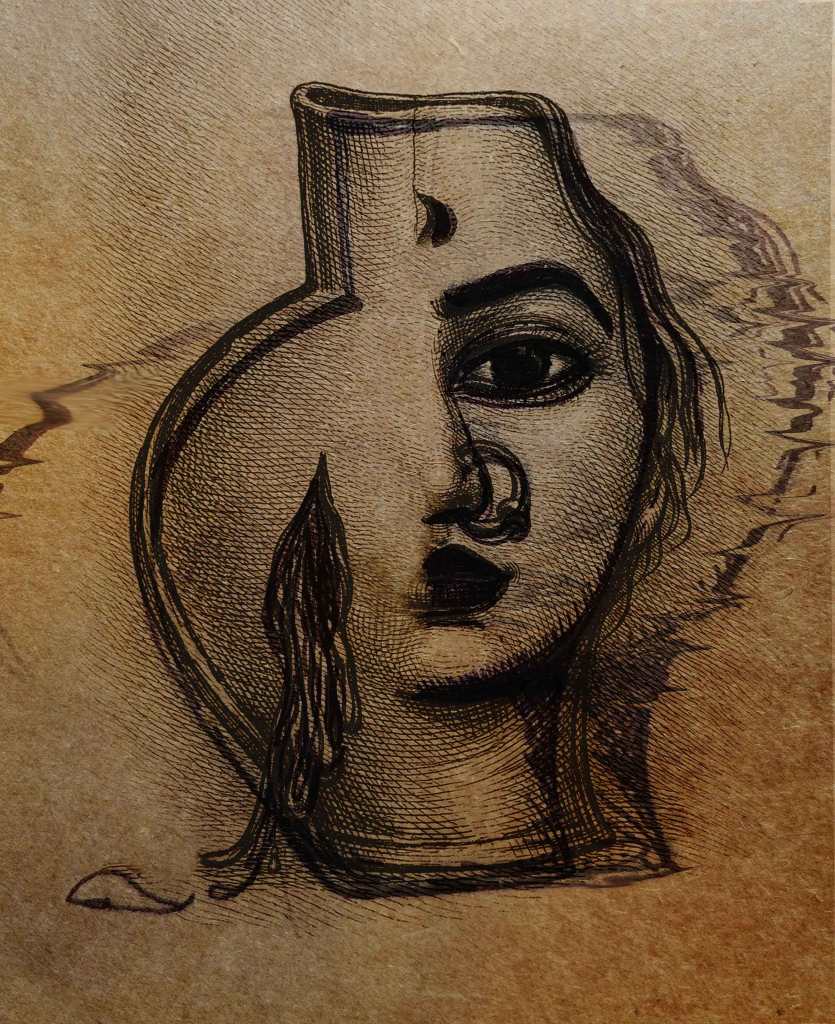
This signified a crack in her chastity due to desire and distraction from sensual urges. Because of this, she lost her spiritual powers, and the unbaked clay pot could not hold water anymore, drenching her completely by the time she returned.
Sage Jamadagni, whose name means “great fire,” was furious, as he immediately knew the reason behind the leaking pot.
In rage, he approached each of their sons to kill his wife. Their four sons refused to commit this sin.
Parashurama, without question, went to his mother and beheaded her with his axe (parshu).
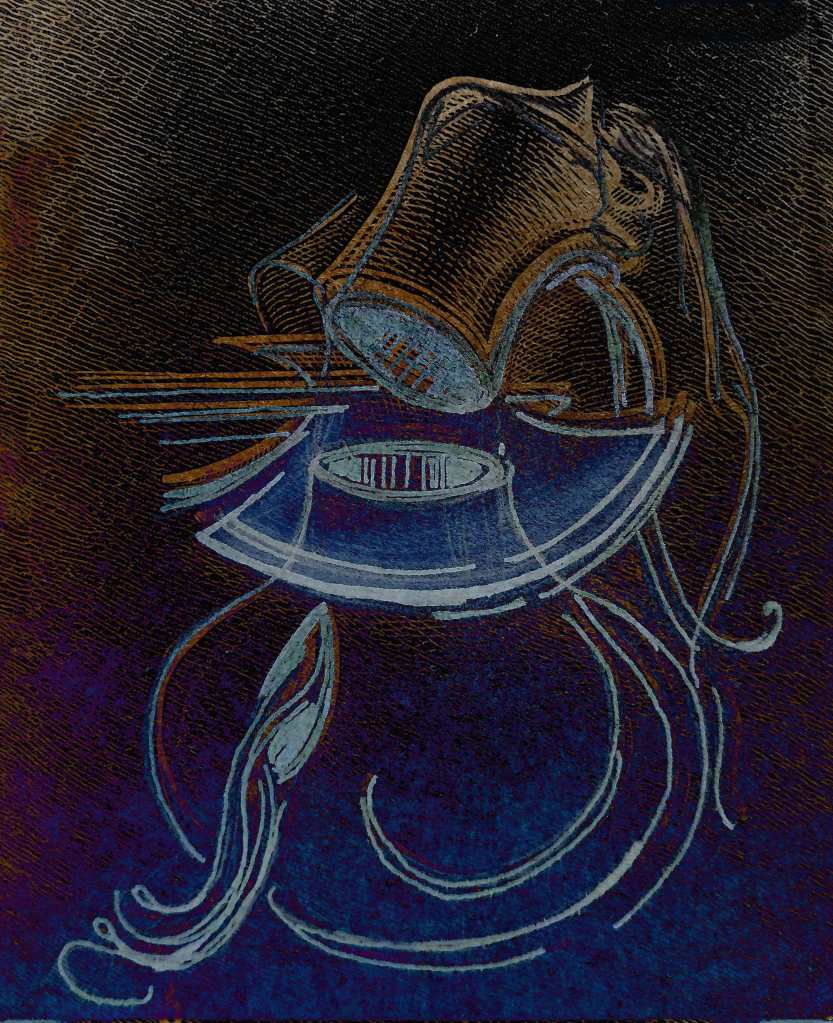
Pleased by Parashurama’s unquestioned obedience, Jamadagni granted him boons. Parashurama asked his father to bring his mother back to life and to wipe out the family’s memory of this heinous episode.
To bring Renuka back to life, the head needed to be united with the body.
There are several stories regarding this.
In one line of thought…
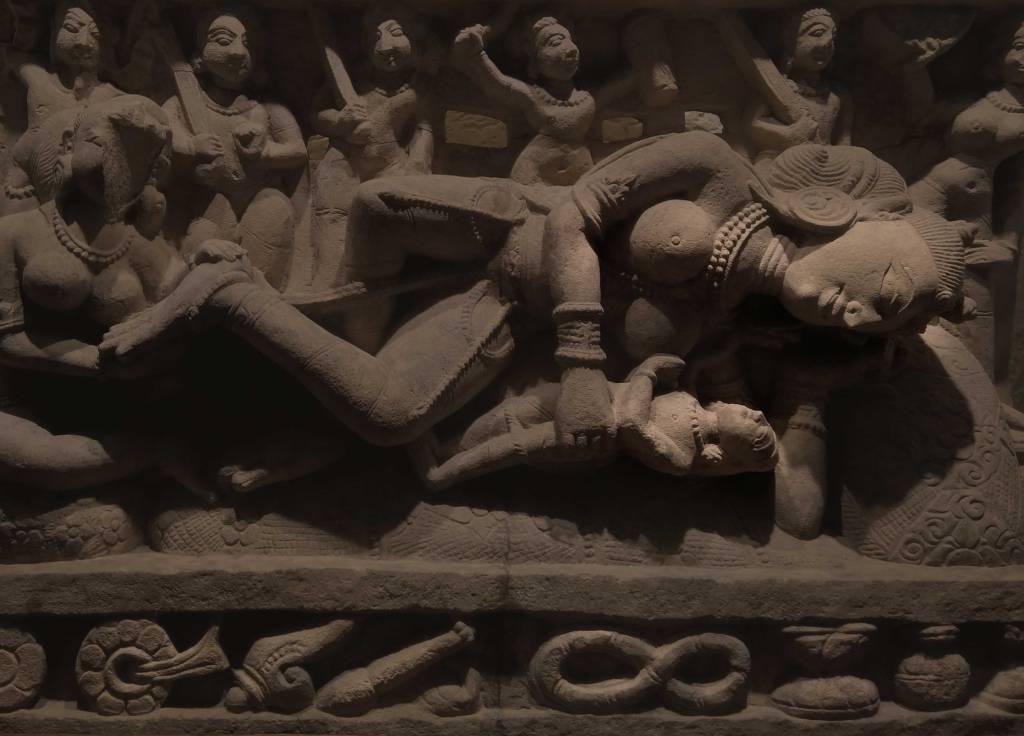
It is fabled that while Parashurama approached Renuka to kill her, a woman plunged in to stop him. Parashurama beheaded both—the woman who had come to rescue and his mother, Renuka. When his father demanded the body and head be reunited, in his hurry to bring back his mother, Parashurama joined the two heads and two bodies wrongly. Renuka’s head was joined to the body of the other woman, and the other woman’s head was joined to Renuka’s body.
The divinity of Renuka came to be venerated—not just as Renuka, but also as Yellamma.
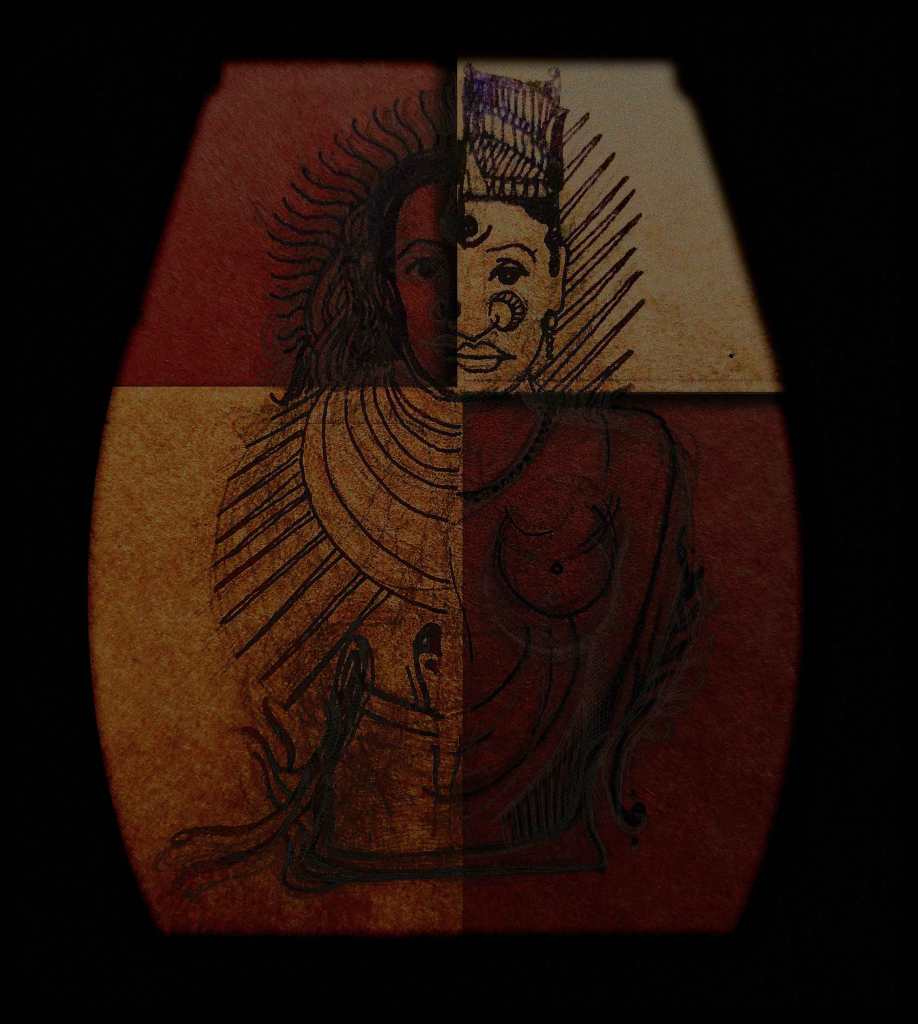
The name Yellamma comes from two words: Yella, meaning “all” or “combined,” and amma, meaning “mother.” Thus, Yellamma means “Mother of All” or “Combined Mother Goddess.” The word ella also means “boundary.” Thus, Yellamma means “Boundary Mother.” The woman who stepped in to save Renuka was an outcaste, and thus Yellamma is considered the mother goddess of people who live on boundaries, village borders, fringes, or as outcasts. Yellamma shrines are found on village borders, and she is venerated for her protective powers.
Another story goes such…
King Kartaviryarjuna, or Sahasrabahu Arjuna, had a thousand arms and was a mighty emperor. He visited Sage Jamadagni and Renuka at their hermitage. Their divine wish-fulfilling cow, Kamadhenu, could satisfactorily feed the entire army of Kartaviryarjuna.
Pleased by their hospitality and desiring Kamadhenu, Kartaviryarjuna enforced his armed strength over Renuka and Jamadagni. Their hospitality was taken undue advantage of, and they were badly insulted by Kartaviryarjuna and his army.
When Parashurama found out, he tracked down Kartaviryarjuna and chopped off his thousand arms, killing him. Later, Kartaviryarjuna’s sons returned to Jamadagni’s ashram and killed him. This enraged Parashurama further, and he went on to wipe out the entire Kshatriya race. Meanwhile, his mother Renuka burnt herself on the funeral pyre of her husband.
Renuka’s entire body was burnt, except her head. Thus, in this story too, Renuka’s head was considered divine, and she herself was regarded as Goddess Sati.
Some believe that the handsome king Renuka saw in the water was Kartaviryarjuna himself, in the form of a beautiful, celestial Gandharva King, Chitrangada. This led to momentary lapse of in the mind of fidelity, and tarnished her spiritual prowess, the dissolving of the clay pot, and consequently her beheading.
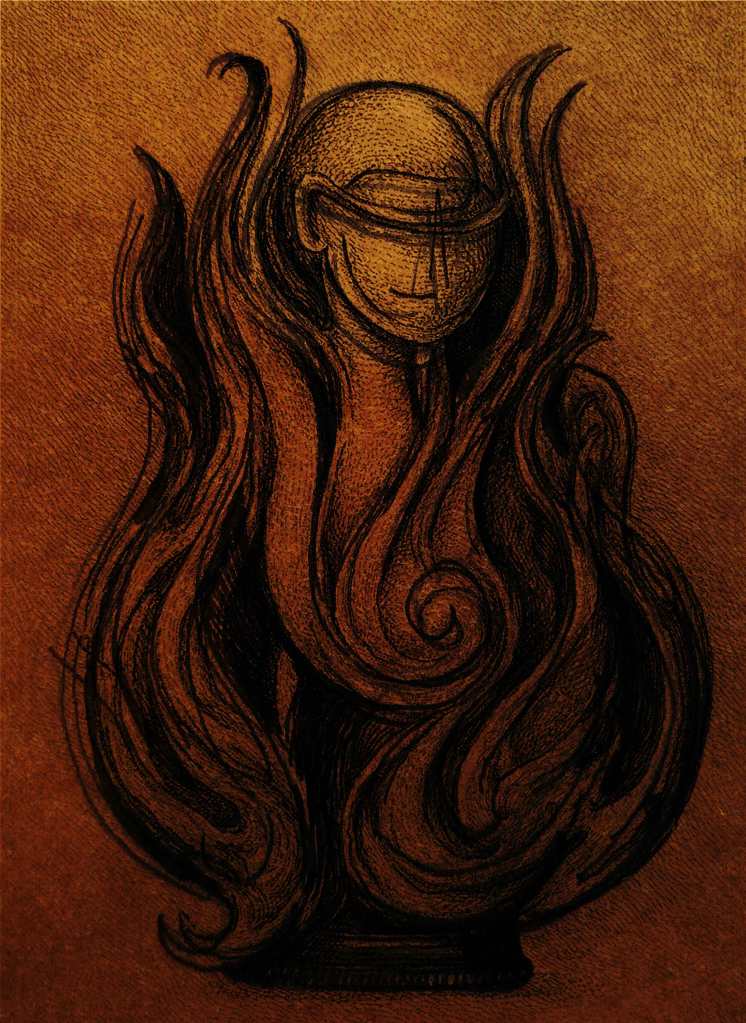
Whichever story one believes to be true—the head left unburnt or the severed head—the head of this goddess is considered divine. The head is the centre of consciousness, intellect, and wisdom. In the legends of Renuka the head is considered to be her own, and fully identified with her being. Thus, instead of worshiping a full-bodied figure of the goddess, Renuka’s head is worshiped as a symbol of divinity by devotees in Maharashtra, Karnataka, and Andhra Pradesh. The pot, or kalash (ghata), is also considered an important ritual object and a symbol of fertilty.
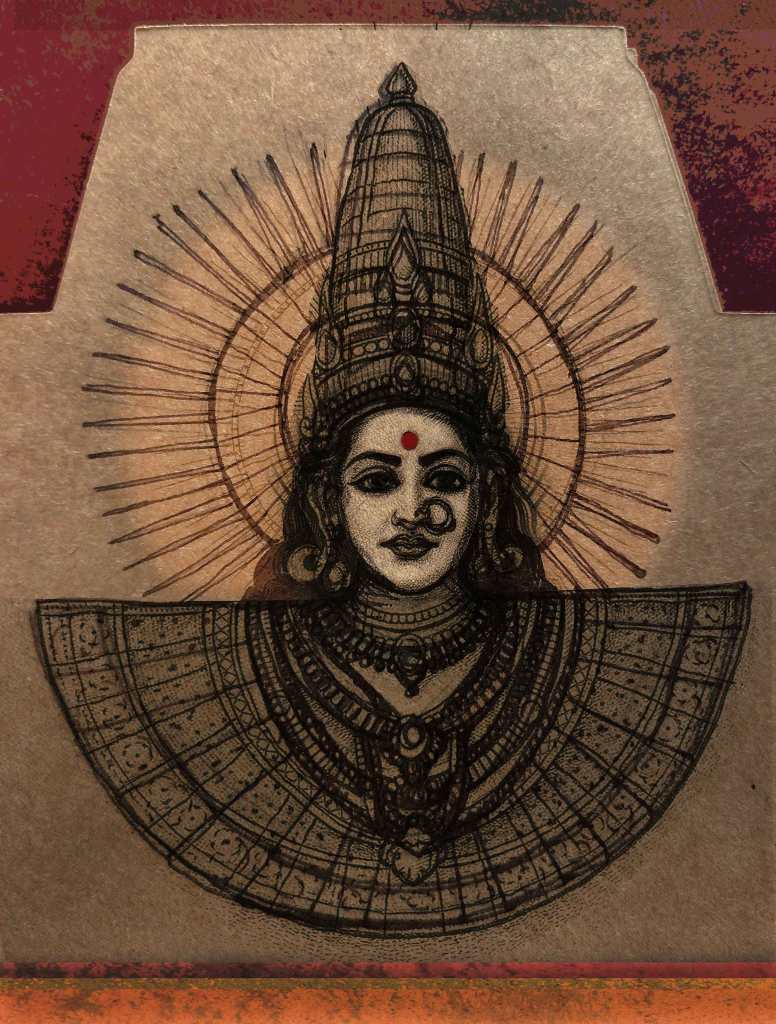
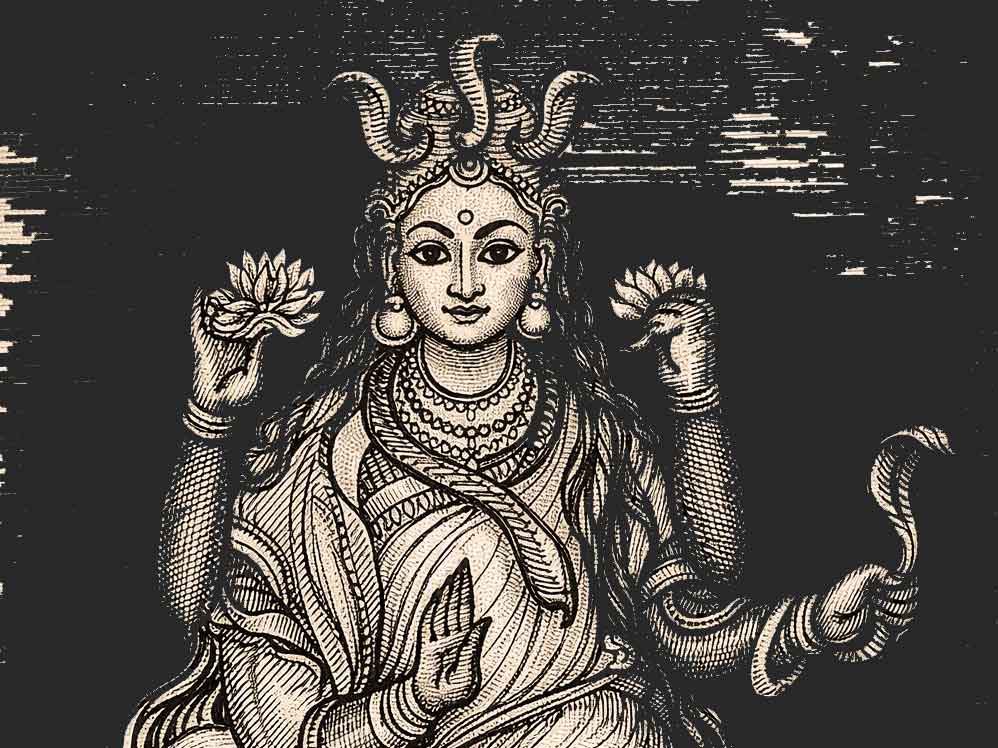
Renuka and Yellamma are important folk deities and are worshiped as incarnations of Sati or Parvati. Goddesses like Yelluai, Jogeshwari, Ekvira, Yamai, Ellai Amma, Mariamma, Marikamba, Duggavva, Dyaamavva, and Sahasra-bhuja Shakti are considered forms of Renuka. The last in this list is a warrior or fierce form of the goddess who emerged from a cobra at the spot of her beheading and holds many weapons in her multiple hands.
Details of Artworks
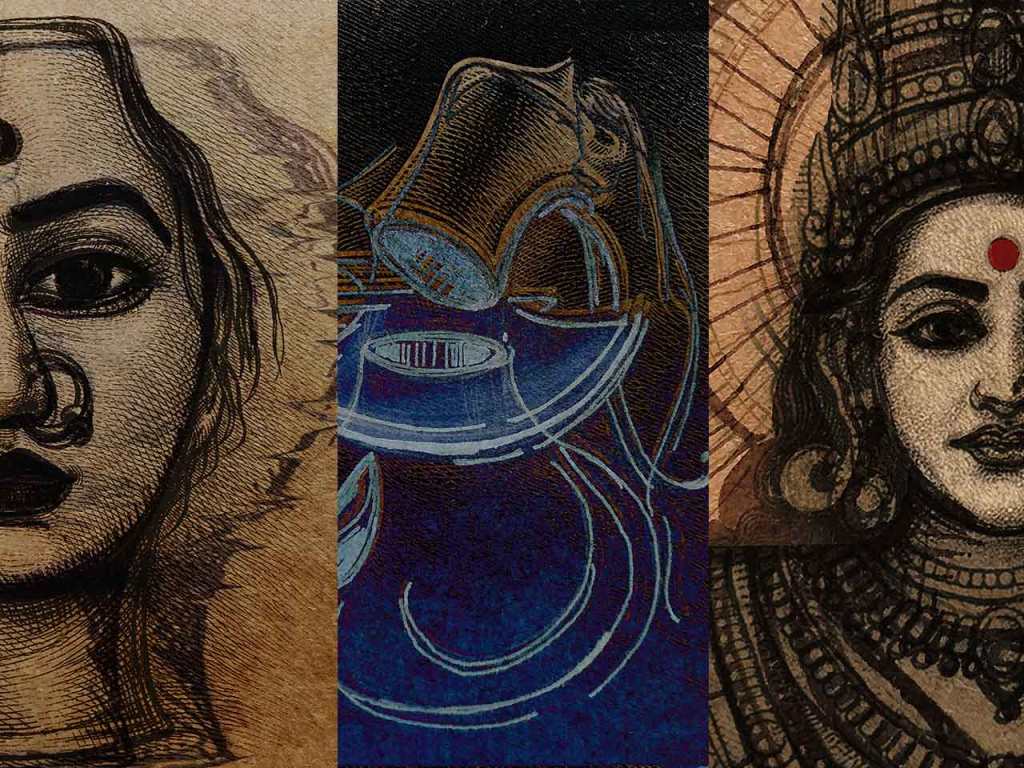
The images that you see in this post, are artworks that I created to brig out the story and ledend of Renuka. These artworks have been created by hand (pen on brown cardstock) and processed digitally (to enhanse it through colour, texture, and light).
Details of the artwork are displayed below.
RENUKA’S REFLECTION
Artwork 1 in the Story of Renuka: 5867 x 3192, 8.8 MB, 72 dpi, 24 bit. Pen, Paper, Digital Pixels.
BREAK IN CHASTITY
Artwork 2 in the Story of Renuka: 5867 x 7196, 22.1 MB, 72 dpi, 24 bit. Pen, Paper, Digital Pixels.
PARSHU SEVERED HEAD
Artwork 3 in the Story of Renuka: 6378 x 7840, 38.3 MB, 72 dpi, 24 bit. Pen, Paper, Digital Pixels.
RENUKA AND YELLAMMA
Artwork 4 in the Story of Renuka: 7990 x 8918, 105.6 MB, 72 dpi, 24 bit. Pen, Paper, Digital Pixels.
UNBURNT HEAD
Artwork 5 in the Story of Renuka: 5728 x 7861, 22.8 MB, 72 dpi, 24 bit. Pen, Paper, Digital Pixels.
THE DIVINE HEAD
Artwork 6 in the Story of Renuka: 7370 x 9729, 34.4 MB, 72 dpi, 24 bit. Pen, Paper, Digital Pixels.